
Federal Grizzly Rule Reopens for Comment: What Idaho Outfitters Should Know
The U.S. Fish and Wildlife Service has reopened public comment on how grizzly bears would be managed under the Endangered Species Act in the lower 48 states. Their proposal would create a pathway for transferring some management of grizzlies to the states and tribes. Comments are due August 17, 2026, under docket number FWS–R6–ES–2024–0186.
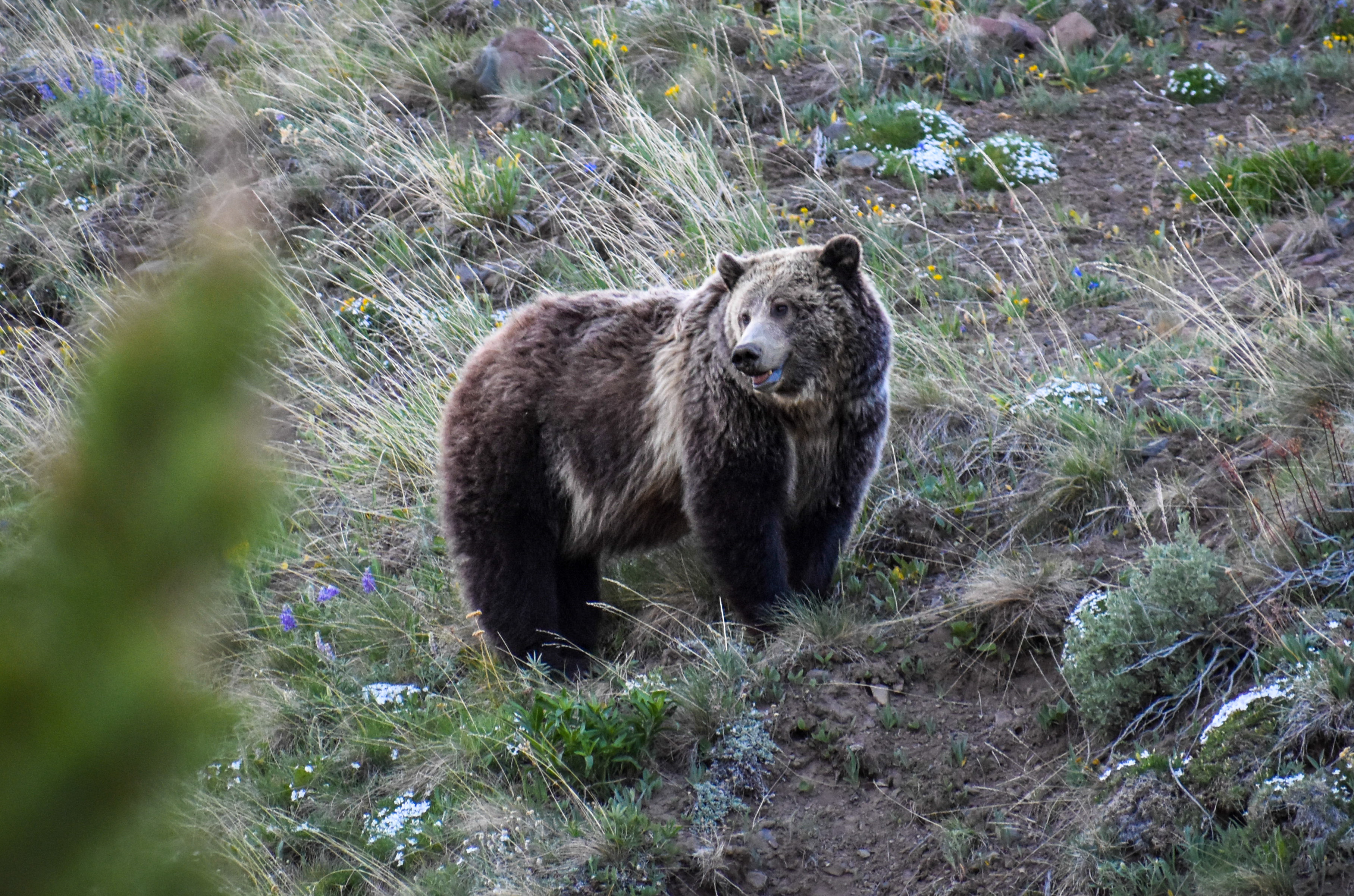
Image Credit: US Fish and Wildlife Service
What's actually on the table
In January 2025, the Service proposed two things at once: a redrawn distinct population segment (DPS) for grizzly bears in the lower 48, and revised protective regulations under Section 4(d) of the ESA. Section 4(d) is the provision that lets the Service tailor protections for species listed as threatened, rather than automatically applying the full prohibitions that attach to endangered species. Grizzlies are currently listed as Threatened.
This specific notice revises only the 4(d) piece. The Service is not reopening comment on the DPS boundary or the other components of the 2025 proposal, nor is this is not an effort to change the listing status of grizzly bears. What's open here is the management rule — the regulation that spells out, for a threatened species, which protections actually apply and which activities get an exception.
The Service is proposing to hand states and tribes more grizzly management authority in stages. Tier one kicks in once a state finalizes a conservation strategy and signs an agreement with the Service. Tier two is the bigger one — once populations also hit certain demographic targets, a state can take over most of the day-to-day management under its own law. And if the numbers slip, the Service can pull that status back.
So the logic is: build the system, hit the targets, get the keys to management.
Which populations this covers
The proposed 4(d) rule applies to all naturally occurring grizzly populations within the proposed lower-48 distinct population segment. In Idaho, that means the Selkirk Ecosystem in the Panhandle (roughly 35–40 bears) and the Cabinet-Yaak Ecosystem straddling north Idaho and Montana (roughly 30–40 bears). Both are listed as threatened, and both fall squarely under this rule.
The central Idaho backcountry sits within the Bitterroot experimental population area, which is governed by a separate 10(j) rule. That designation is not changed by this proposal. But it's worth understanding a nuance: because no grizzlies have yet been released into the Bitterroot, the Service states that any bear currently found there is treated as part of a non-experimental population and managed under this 4(d) rule. The separate experimental-population rules would only take effect after an initial release.
One practical consequence for the Panhandle ecosystems: because the Selkirk and Cabinet-Yaak populations have not yet met their recovery objectives, they are eligible only for the rule's first management tier, not the broader Tier 2 handoff of day-to-day management to the state. The larger devolution of authority is aimed at recovered populations elsewhere in the DPS.
How the proposed 4(d) rule is built
The structure is straightforward even if the details run long. The rule first imports the standard prohibitions and protections — take, import and export, possession of illegally taken bears, and interstate or foreign commerce — and then carves out a list of exceptions.
Those exceptions cover Service employees and agents, permitted activities, scientific and genetic research, population augmentation, defense of human life, aiding sick or injured bears, carcass disposal and salvage, incidental take during research on other species, deterrence, routine management activities, and incidental take from regulated trapping targeting other species.
Most of the exceptions run through authorized agencies — states, tribes, and other federal agencies — operating under either a Technical Letter of Assistance or a Memorandum of Understanding with the Service. Those agreements come with reporting obligations, including notification of grizzly mortalities within 48 hours and an annual report due each February 15. The idea seems to be to give state and tribal agencies more flexibility to manage grizzlies, and to handle problem bears.
The tiered management framework
The genuinely new piece is a two-tier system that hands states and tribes progressively more authority as conditions are met.
Tier 1 unlocks once conservation strategies and management plans are finalized and an MOU is signed. It adds an exception for incidental take associated with regulated trapping of other species.
Tier 2 unlocks when populations also meet demographic objectives. At that point, an agency can take on most day-to-day grizzly management under its own state or tribal law, with substantially broader take and management authority.
The Service retains oversight throughout and can revoke tier status if demographic or mortality thresholds slip. The stated logic is that tiering gives states and tribes a reason to build durable regulatory mechanisms while the federal government keeps a backstop.
What this does and doesn't change for outfitters
A few points are worth being precise about.
Section 7 obligations are unchanged. The Service states this explicitly. If your operation runs on a Forest Service or BLM special use permit, that permit is a federal nexus, and consultation requirements under Section 7(a)(2) work exactly as they do today. The 4(d) rule does not alter them. The Service notes it intends to work with land managers separately on that front, since federal agencies manage most occupied habitat in the lower 48.
The experimental populations are untouched. The nonessential experimental populations in the Bitterroot and North Cascades, established under Section 10(j), are not affected by this rule. For central and northern Idaho operations, that's the relevant regime and it isn't changing here.
Defense of life provisions remain. The exception for take in defense of human life carries forward. Nothing in this proposal narrows a guide's ability to protect clients or crew.
There are no habitat-based take exceptions. The Service acknowledges this directly. If you were watching for language that would address habitat modification or land management activity, it isn't in this rule.
The economic question
The Service prepared a standalone economic considerations document for this rule — a departure from past practice, and one driven by litigation. In Kansas Natural Resource Coalition v. U.S. Fish and Wildlife Service, a federal district court in Texas held in March 2025 that the "necessary and advisable" language in Section 4(d) requires the Service to weigh costs, not just science, when crafting protections for threatened species. The Service is now folding economic analysis into 4(d) rulemakings nationwide.
For this rule, the Service concluded that impacts would be minimal and did not quantify them. It certified that the rule will not have a significant economic impact on a substantial number of small entities, reasoning in part that the directly regulated parties are federal action agencies rather than private businesses.
That framing is worth reading closely if your operation bears real costs associated with operating in occupied grizzly range.
How to comment effectively
Comments are accepted through regulations.gov under docket FWS–R6–ES–2024–0186, or by mail. Electronic comments must be received by 11:59 p.m. Eastern on August 17. You can read the whole notice and access the comment portal by clicking here.
The Service specifically asks for information on impacts — both conservation and economic — of implementing the 4(d) rule, and for data that would help it apply protective regulations that are necessary and advisable.
One thing the notice states plainly: comments that only register support or opposition, without supporting information, will be noted but carry little weight. Specifics do the work. Documented costs, operational experience, incident records, and firsthand observations from the field are the kind of material that shapes a final rule.
If you operate in occupied grizzly habitat and this rule touches how you run your business, IOGA wants to hear from you. Reach out and we can help get your experience into the record.