
Inside the ESA “Harm” Rule: How US Fish and Wildlife is Changing the Definition of "Take"
In July, when the U.S. Fish and Wildlife Service and NOAA Fisheries finalized a rule deleting the regulatory definition of “harm” from the Endangered Species Act, we walked through what it would mean for Idaho outfitters. The rule removed habitat destruction from what counts as illegally taking a listed species. Federal consultation and critical habitat stayed in place. The rule took effect on September 14th with a narrower reading of “take” but didn’t say how agency staff should apply it. Now, thanks to reporting by The Hill and others, we have an inside look at how "take" will be defined and regulated.
Background
The ESA prohibits “take” of listed animals. The statute defines take as to harass, harm, pursue, hunt, shoot, wound, kill, trap, capture, or collect. Congress did not define “harm.” A 1981 federal regulation did, and that definition covered significant habitat modification that actually kills or injures wildlife by impairing breeding, feeding, or sheltering. For decades it was the main way the ESA was applied to habitat destruction on private land.
The Supreme Court upheld the habitat definition 6–3 in Babbitt v. Sweet Home (1995), deferring to the agency’s interpretation. In 2024, the Court ended that kind of deference in Loper Bright v. Raimondo, and held that agencies must write regulation to a best reading of the law, not merely a reasonable interpretation. Under this precedent, the agencies argued that only that the narrowest definition was allowed. They have adopted Justice Scalia’s dissent from the Sweet Home case as the correct reading of the statute. With this legal and regulatory history in mind, FWS Director Brian Nesvik sent staff a memo that laid out how the agency would move forward. He set out a four-part test for what counts as a take, with examples of where the line falls, from vessel strikes on whales to trees cut down with bats roosting in them. The memo is internal guidance, and it is the most detailed look so far at how FWS intends to enforce the ESA under the new rule.
Fish and Wildlife's New Interpretation
The memo says a take has four elements:
- An affirmative act, as opposed to a failure to act.
- The act is aimed at an animal.
- The act affects the animal directly, with no intervening link. A delayed result still counts, as when poison is set out and the animal dies days later.
- The act affects living individual animals. Effects on populations or unoccupied habitat don’t count.
The memo gives examples. A vessel that accidentally strikes a whale has not taken it. Cutting a tree where bats roost is not a take of the bats unless the tree was cut to kill or capture them. Changes to habitat that no animals currently occupy are never a take, even if the eventual harm to the species is certain.
Related rules
Two other FWS rules took effect August 20. Under the first, species listed as threatened after that date no longer receive endangered-species protections by default; each will get its own rule. Species already listed keep their current protections. The second changes how FWS decides whether to exclude areas from critical habitat and makes exclusions easier.
What stays in place
Section 7 of the ESA still requires federal agencies to consult on projects they authorize, fund, or carry out. Those projects still cannot jeopardize listed species or destroy or adversely modify critical habitat.
Shooting, trapping, and fishing are directed at animals and can still be take.
The regulatory definition of “harass” also remains. It covers intentional or negligent acts or omissions likely to injure wildlife by significantly disrupting breeding, feeding, or sheltering. That reaches further than the memo’s reading of take, and the memo does not address it.
Effects on outfitters
The statute sets two tiers of civil penalties: up to $25,000 per violation for knowing violations and up to $500 for other violations, both adjusted for inflation. Criminal charges also require a knowing violation.
The memo ties “knowing” to whether a person knew what animal they were acting on. A hunter who shoots a grizzly believing it is a black bear has taken a grizzly, however, because the violation is not knowing, the hunter would face the lower civil tier. The statute also bars penalties when someone acted in good-faith belief they were protecting themselves or another person from bodily harm.
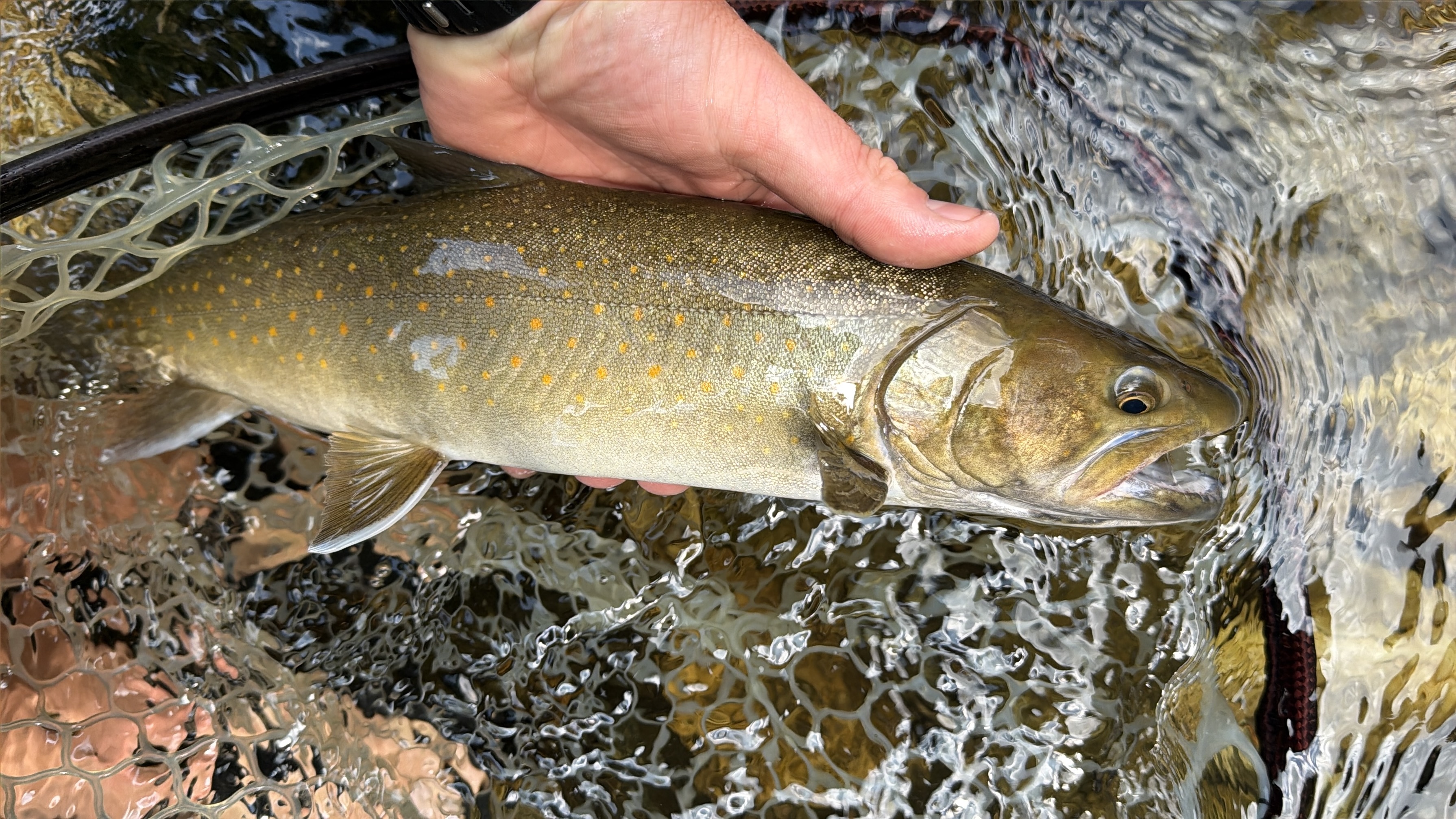
Traps and fishing lines are set for animals, so incidental catch of a listed species is likely still take. FWS’s 2023 wolverine rule exempts incidental trapping mortality, an exemption that would be unnecessary if that catch weren’t take. Hooking a wild steelhead or bull trout remains governed by existing species rules and state regulations. No court has applied the memo to these situations yet.
Outfitter permits on Forest Service and BLM land still require Section 7 consultation, and the conditions attached through consultation are tied to take. Effects such as stock use in riparian areas, camp impacts, and stream crossings may no longer count as take. If so, permits may carry fewer take-based conditions at renewal.
Guided fishing and hunting depend on fish and wildlife populations. Weaker habitat protection on private and state land could affect outfitters whose own permits don’t change.
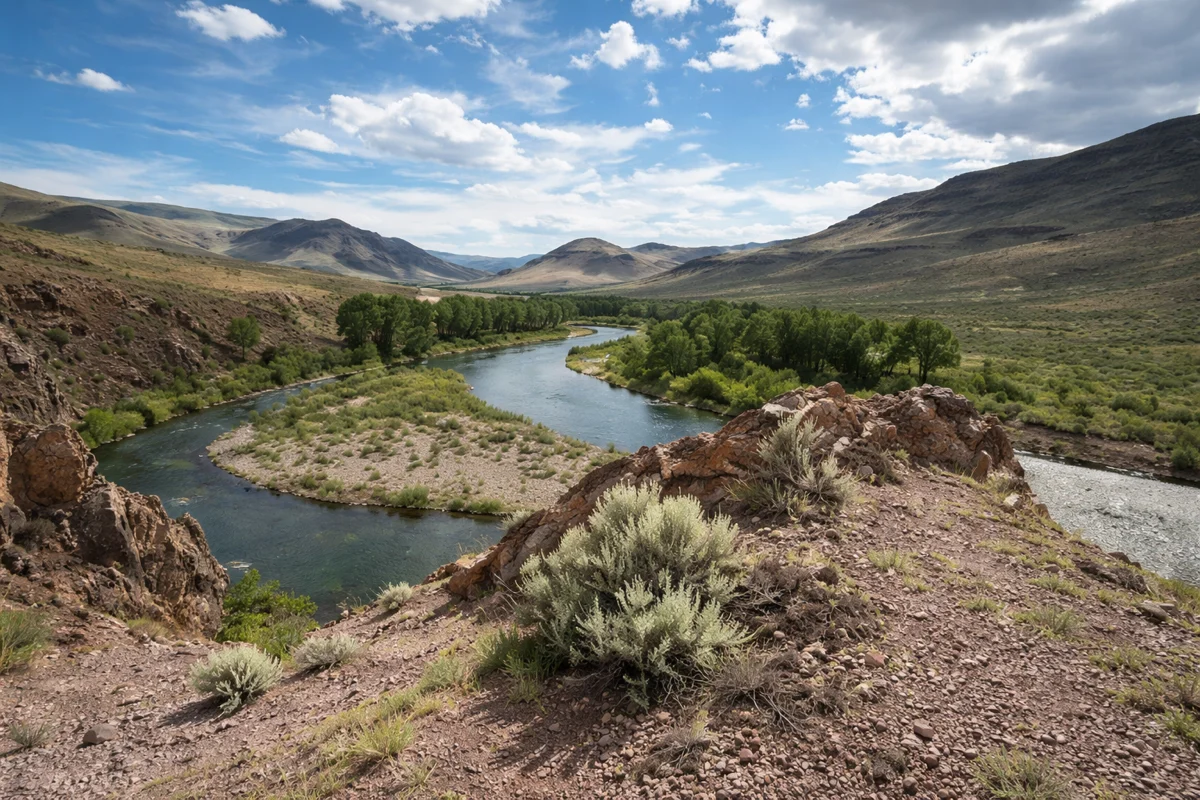 Photo credit - Upper Salmon Basin Watershed Program, State of Idaho
Idaho species
Salmon and steelhead. The rule covers NOAA Fisheries, but the Nesvik memo applies only to FWS, and NOAA has not issued comparable guidance. The Lemhi River shows what the change means in practice. In the spring of 2000, NOAA Fisheries warned Lemhi irrigators that it was prepared to take ESA enforcement action over dewatering at the L-6 diversion. The following year the Idaho Legislature, at the irrigators’ request, authorized a minimum streamflow for that reach, in part to protect water users from enforcement. That minimum streamflow remains in state law, but the agencies no longer treat that kind of dewatering as a violation of the ESA. Most large salmon disputes in Idaho involve federal or federally licensed dams. Those go through Section 7, which the rule does not change.
Bull trout. A road on private or state land that fills spawning gravel with sediment and kills fish would not be a take under the memo, because the road was built to reach timber. The same road on federal land would still go through Section 7. Without a federal connection, state forest practices and water quality rules still apply.
Grizzly bears. Conflict kills remain take. Habitat effects on national forests are still reviewed through Section 7.
Wolverine and lynx. Wolverine was listed as threatened in 2023 with exemptions for research, incidental trapping, and forest management that reduces wildfire risk. Enforcement has not focused on winter recreation, and “harass” still applies, so winter operators are unlikely to see much change.
Northern Idaho ground squirrel. This threatened species lives only in Adams and Valley counties, on private land, state land, and the Payette National Forest. Development on occupied private land has gone through habitat conservation plans in the past. Under the memo, grading an occupied meadow would not be a take unless the purpose was to kill squirrels.
Development on public lands
Mines, timber sales, and roads on federal land still require Section 7 consultation, under the same jeopardy and critical habitat standards. Projects whose effects are limited to habitat may no longer need incidental take authorization. That would reduce required measures and monitoring.
The critical habitat exclusion rule may have a larger effect on public land. Conservation groups argue it makes it easier to leave essential federal land out of future designations. A separate proposed rule, not yet final, would change how Section 7 consultations define the environmental baseline and limit what mitigation measures can require.
The largest change will be on private and state land where no federal agency is involved.
Litigation
Environmental groups have sued in federal courts in San Francisco and Seattle. The Swinomish Indian Tribal Community and the Squaxin Island Tribe filed a separate challenge citing Puget Sound salmon habitat, and the Southern Environmental Law Center filed in South Carolina. On September 9, attorneys general from 21 states filed two suits challenging this rule and the two related FWS rules.
The plaintiffs argue that Loper Bright gives courts the job of determining a statute’s best reading, and that the agencies adopted a reading the Supreme Court majority rejected in 1995. Several legal analysts expect the question to reach the Supreme Court. If a court vacates the rule, the 1981 habitat definition would return.
For most outfitters and guides, direct obligations under the ESA change little. Effects are most likely to show up in permit renewals on federal land and in habitat conditions on private and state land.