
Permitting Reform Through a Wildlife and Habitat Lens
For most of the last 50 years, protecting rivers and wildlife meant stopping things: a dam, a road, a clearcut. The laws that govern federal permitting were built for that job, and they did it well. A few weeks ago, a bipartisan group of US Senators unveiled a legislative compromise designed to streamline and reform many of the permitting processes. The bill triggered a predictable, and, honestly, understandable backlash from the environmental community. Here’s a sampling of a few of the emails that found their way into my inbox:
“Permitting bill puts iconic landscapes on a one-way path to development”
“allows industry to bulldoze protections for clean water, wild salmon, and public health”
“unacceptable concessions and rollbacks of our bedrock environmental laws contained in the deal.”
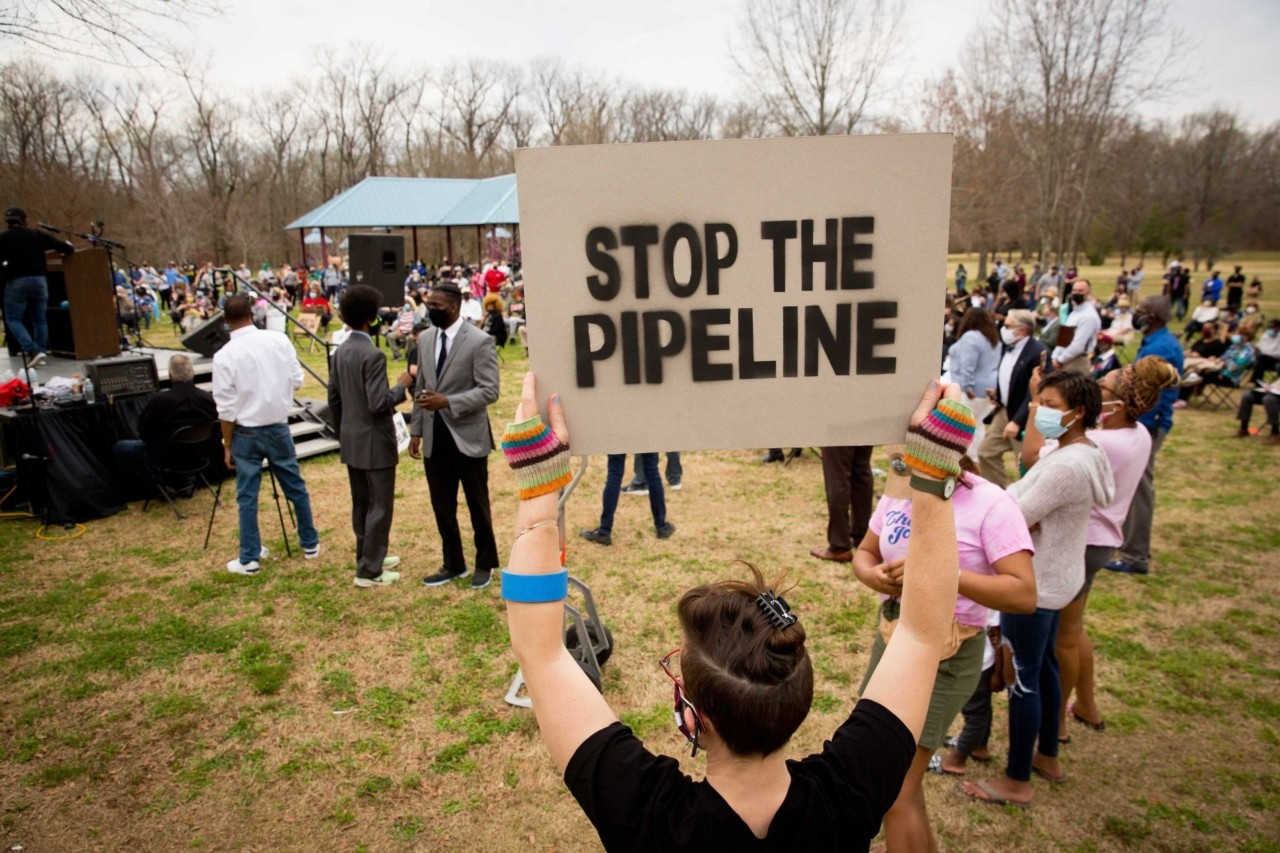
These concerns aren’t necessarily wrong. There’s a lot of development pressure on public lands, clean water, and wildlife across the country right now, and it’s hard to argue that changing environmental protections will make that better. But we also have to recognize that the job of protecting these values has changed in some fundamental ways and that we can no longer be content with an environmentalism of “No”.
In today’s world, many of the conservation problems we deal with need something built. Climate change, drought, habitat destruction, invasive species – we need to go on offense, not just play defense around increasingly degraded ecosystems. What does that look like in practice? Fuels work has to happen before a megafire sweeps through. In the long term, salmon recovery in Idaho will require large energy and transportation replacement projects on the lower Snake. Cheap and reliable clean energy desperately needs more generation and more transmission. If we continue the status quo, we risk losing much more.
The current permitting system doesn't always distinguish between pro-conservation projects and the ones conservationists have spent decades fighting. A large restoration project and a mine often go through the same reviews, on the same clocks, with the same exposure to lawsuits. The Senate's permitting bill, the Bipartisan American Affordability and Jobs Act (BAAJA), would speed up both. This explainer looks at what permitting is meant to accomplish, where it actually slows things down, and how to judge reform when the goal is healthier rivers and better habitat.
What permitting is for
Federal permitting is a set of separate laws, each meant to solve a different problem. It helps to keep them apart, because reform proposals treat them very differently.
-
NEPA: look before you leap. The National Environmental Policy Act doesn't forbid anything. It requires agencies to study a project's effects, consider alternatives, and take public comment before deciding. In theory, its value is better, more informed decisions.
-
ESA Section 7: don't put a species in “jeopardy” of extinction. Any federal action that may affect a listed species, like bull trout or Chinook salmon, requires consultation with the Fish and Wildlife Service or NOAA Fisheries.
-
Clean Water Act: protect water. Section 404 permits cover dredging and filling in rivers and wetlands, which includes most in-stream work. Section 401 gives states a say over projects that affect their water quality, allowing them to set rules on pollution and temperature, protecting valuable fisheries.
-
NHPA Section 106: account for history and culture. The National Historic Preservation Act requires agencies to identify historic and cultural sites a project could affect and consult with State and Tribal Historic Preservation Officers before deciding. Like NEPA, it's procedural. River corridors and restoration sites often hold archaeological and Tribal cultural resources, so surveys and consultation are a real source of project time.
-
Courts hold agencies to the rules. NEPA and much of the ESA are enforced through lawsuits. If an agency skips or makes a mistake in the analysis, a court can send it back, and under current law can pause the project while it's fixed.
These tools give the public, and fish and wildlife, a seat at the table. They also give anyone who opposes a project a way to slow it down, whatever the project is. Striking the right balance between effective, beneficial analysis, and bad faith obstruction is a difficult task, and one in which agencies are frequently unsuccessful.
Where permitting gets stuck
Contrary to popular belief, lawsuits rarely kill federal projects outright. What they do, in particular for a narrow set of large and contested projects, is add years of delay and cost. Statistically, forest management work gets more legal attention than anything else.
For starters, most decisions are never challenged. Across all NEPA decisions, about 1 in 450 ends up in court, according to a review of 1,499 federal court opinions. Most are small actions that qualify for a categorical exclusion and draw no opposition. Big projects are a different story. A Stanford study of 355 major energy and transportation projects with full environmental impact statement found 28% were sued. Solar projects were sued 64% of the time and pipelines 50%.
Even when projects are litigated, agencies usually win, but slowly. In many district court cases, only 26% of suits found the agency broke the law, but the median litigated project still spent 1 year and 7 months in court. Furthermore, consultation under the Endangered Species Act almost never stops a project. One study published found that over seven years, across more than 88,000 Fish and Wildlife Service consultations, almost none ended in a jeopardy finding and none stopped or extensively altered a project. Agencies often use informal negotiations and sideboards earlier in the process to protect endangered species and avoid a jeopardy finding.
Wildfire mitigation and fuels projects feel federal permitting more than almost any other kind of work. Breakthrough found that forest management projects draw more NEPA litigation than any other type and that litigation added over two years to those projects' reviews. This is especially salient given the increase in wildfires and smoke in the last several decades, as well as reduced staffing and capacity at federal land management agencies.
Why restoration has a stake
Restoration projects often are subject to the same reviews as any other federal action, and several of the most important ones are large, slow, and contested.
-
Fuels and forest restoration. Thinning and prescribed fire protect watersheds, fish habitat, and the camps and trails we all rely on. These are the projects drawing the most fire from NEPA claims and commonly halted while in court.
-
Riparian restoration. Replacing a culvert or removing a small diversion means in-stream work, which needs a Clean Water Act permit and often ESA consultation, even when the point of the project is to help listed fish. Process based restoration, like beaver dam analogues, can get tied up in environmental review, despite the fact that they are literally a pile of sticks.
-
Dam removal and replacement. The Klamath dams came out in 2023 and 2024, more than a decade after the removal agreements were signed. On the lower Snake, Rep. Simpson's 2021 concept was mostly a package of replacements for the power, barging, and irrigation the dams provide. While Simpson's concept stalled, any successful dam replacement package will necessarily be largely an infrastructure bill - allocating money to conduct a safe removal of the Lower Snake dams and emptying their slackwater pools, but also spending billions of dollars to build out the renewable energy systems as well as the rail and road needed to replace the current services those dams provide. Without some kind of permitting fast track, those massive projects will get stuck in analysis hell and be endlessly litigated.
-
Clean energy construction. Climate change is one of the biggest long term threats to wildlife and habitat. Heat, drought, megafires, floods, and reduced snowpack are already stressing many of our ecosystems. To address these threats, we must build cheap and reliable clean energy resources and reduce our dependence on fossil fuels.
Finally, there’s a real cost when federal action is delayed, which we must take seriously. Tax dollars go to paying attorneys (often on both sides), staff spend time doing performative paperwork, but most importantly, the work goes undone and the public loses trust in the government as an effective solver of problems. The biologist Sophie Gilbert laid out the problem with delay effectively in her essay “Why Fixing Nature is so Slow and Expensive”. She writes:
“Our regulations end up driving us deeper into ecological poverty, where laws meant to protect nature from harmful human actions are instead delaying restoration income and increasing stewardship debt in our ecosystems”.
When we fail to act to restore and improve ecosystems, we pay the costs of not having the services they provide: clean air, clean water, abundant wildlife.
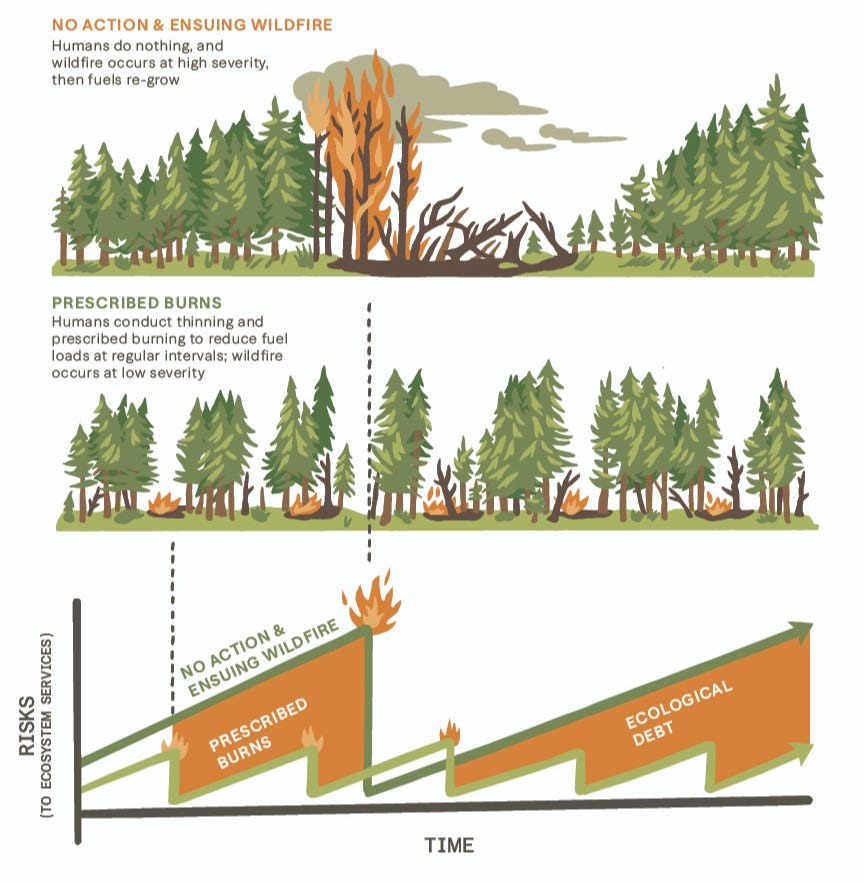
Credit: Sophie Gilbert
What BAAJA would change for restoration
BAAJA would make restoration projects faster and harder to stop. It would do the same for every other project type, including those that degrade habitat.
What would help restoration work
-
NEPA suits could no longer halt projects. If a court found the environmental review flawed, it could only send the analysis back to the agency for up to 180 days while work continues. For fuels projects, this addresses the main cause of halts.
-
Shorter windows to sue. NEPA challenges would have to be filed within 150 days instead of six years, by parties who commented during review. Most suits are filed within 6 months or so of a decision, but narrowing this window and requiring previous engagement helps projects move forward with certainty, and also limits bad faith obstruction.
-
Faster ESA consultation. Formal consultation would drop from 90 to 60 days, backed by $150 million a year for consultation staff and state programs from 2027 through 2031.
-
Transmission reform. New grid planning requirements and federal backstop siting authority would speed the lines clean energy depends on. Building more clean energy to replace fossil fuels is a critical part of protecting habitat and ecosystems for the long term.
What cuts against habitat
-
The speedups apply to everything else. Mines, pipelines, and other extractive projects get the same faster reviews and limits on lawsuits.
-
Approved private projects would be locked in. Agencies could not revoke or materially alter permits for privately sponsored projects except in narrow cases. Justin Pidot, a law professor and former White House environmental counsel, argues this makes a court-ordered redo of the review a paperwork exercise, since nothing it finds could change the permit. The protection covers only projects with non-federal sponsors, so most agency-led fuels and restoration work wouldn't get it. Private mines and pipelines would, as would solar farms. While it may reduce the politicization of the permitting regime, there is a serious concern that it would allow an administration to approve illegal or destructive permits with little recourse. Had this been law in 2024, the Lava Ridge wind project in Idaho likely would have been built.
-
Thinner wildlife analysis. Tighter consultation clocks could reduce time for the informal redesign work where most species benefits happen. Without other procedural changes or resources to generate staff capacity, this will likely lead to worse outcomes.
-
Weaker state water protections. Narrows the scope of what can be required in a state water quality permit and puts the burden of proving harm on the states.
-
More room for mining. Hardrock mines could claim additional five-acre mill sites for waste rock and tailings within an approved plan of operations. This could allow mines to expand their footprint on public lands, pushing into and disrupting more habitat.
What is still unclear
-
While challenges under the ESA itself keep their legal hammer, the bill creates a path to fast track litigation to the DC Circuit Court of Appeals instead of the local district and circuit courts. It’s not clear how this would affect ESA litigation overall. On the one hand, many circuits have built up region-specific knowledge and expertise and moving these cases to DC circumvents that expertise and makes it more expensive for grassroots groups to sue. On the other hand, concentrating ESA litigation in one appeals court will likely streamline the litigation process, meaning we can get to decisions about endangered species faster. It’s worth noting that this likely won’t apply to ongoing litigation, such as the case currently being fought over Snake River salmon and steelhead.
-
The bill provides for greater state involvement in ESA consultation. States can now provide their own data to be considered in the process, and they can even take over consultation provided they meet a set of minimum requirements. In some cases this could help us make better decisions about fish and wildlife, but it can also be the case that state wildlife agencies are subject to stronger political pressure.
-
Hydropower licensing through FERC is notoriously long and brutal. The Hells Canyon Complex is decades into a relicensing process, with federal agencies, states, tribes, and NGOs all vying to impose conditions on the new license. BAAJA would limit conditions attached to a hydropower license to those that address issues “reasonably related to the effects of the project.” What this means in practice is unclear, but it will likely cut both ways. Limiting the scope of license conditions will, in some cases, reduce the conservation benefits paid for by hydro operators. It could also help get other conservation gains actualized as license renewal delays mean that relevant conditions aren’t necessarily implemented.
A restoration test for permitting reform
A permitting proposal should be judged on whether it speeds up the projects rivers and wildlife need more than it speeds up the ones that harm them. Some questions to help sort that out:
-
Does it target where the delay actually is? The evidence points to fuels projects and large contested projects, not routine decisions. True reform would be aimed at making the process more efficient for these types of permits, and would strive to help agencies make decisions one way or another quickly. It’s not clear that process for the sake of process actually helps conservation values on net, or simply creates more billable hours.
-
Can it effectively tell good projects from bad projects? The permitting system should be able to discern the cost-benefit balance of any given project quickly and efficiently. Applying the same costly review to every project ties up agencies, courts, and NGOs in expensive litigation without clearly protecting conservation values. Additionally, decisions should be made on data and science, not politics or personal preference.
-
Does it keep a real check on bad decisions? If a court finds an agency skipped the analysis, can anything change the outcome? A review that can't affect the decision isn't much of a safeguard.
-
Does it fund the people who do the work? Much of the delay comes from understaffed agencies. Deadlines without biologists, hydrologists, and planners produce thinner analysis, not faster good analysis. This gets at the problems with process as well. If we don’t have the capacity to do good analysis in the first place, neither delay nor streamlining will actually produce good results.
-
On net, will the provisions addressing energy and transmission construction benefit clean energy, and thus mitigate climate change more than they benefit fossil fuels? Addressing climate change is one of the most effective ways to protect wildlife and habitat. We need to build thousands of gigawatts of new clean energy capacity and the transmission resources to move power around if we stand any chance of transitioning away from burning oil and gas.
Measured this way, BAAJA gets partial credit. It goes after real bottlenecks, especially fuels work and transmission, and it authorizes money for the biologists who do consultation. But it doesn't distinguish restoration from extraction, it weakens the check courts provide when a review is flawed, and its permit-certainty provisions protect fossil fuel projects as firmly as clean energy. From a habitat perspective, the bill as written may not be worth what it costs.
That doesn't make the problems it targets go away. Fuels projects still stall, transmission will still take years to site, and permits will still swing with each administration. Conservationists who oppose BAAJA should be ready to bring other solutions to the table. Defending the status quo won’t get the job done.
What to watch
The Senate plans a procedural vote on November 9, and the bill needs 60 votes to advance. It would then have to be reconciled with the House's permitting bills in a short lame-duck session. It seems unlikely that outgoing House Republicans will be motivated to take up this lengthy and highly technical bill, and with Democrats set to take control of Congress in 2027, there may not be much appetite to move compromise legislation forward on the left side of the aisle. Martin Heinrich, one of the chief sponsors, is set to take the chairman’s seat in the Senate Energy and Natural Resources Committee, which would have jurisdiction over any permitting reform legislation moving forward. If Democrats put together their own permitting reform bill, it seems unlikely that the President would sign it. Regardless, expect the ideas put forth in BAAJA to strongly influence the conversation moving forward.
Final Word
It’s not controversial to say that this bill is a compromise, in fact it’s designed that way. Anything that brings Mike Lee and Martin Heinrich together will necessarily leave a lot of people unhappy. From the conservation perspective, supporting or opposing the legislation is a risk calculation: will the clean energy and restoration benefits outweigh the changes to bedrock environmental laws? Some analyses show emissions reductions and decreases in energy prices in the medium term, while others worry about a lock-in of fossil fuels, data centers, and mines on public lands.
Ultimately, the questions the bill is asking are mostly the correct ones: How can we make it easier to build necessary infrastructure while also protecting habitat and wildlife? Does the permitting process as currently constituted actually benefit conservation values? How can we appropriately balance accountability with flexibility for federal agencies? But the answers to these questions are, at best, incomplete.