
What the Hells Canyon Relicensing Means for Outfitters, Guides, and River Users
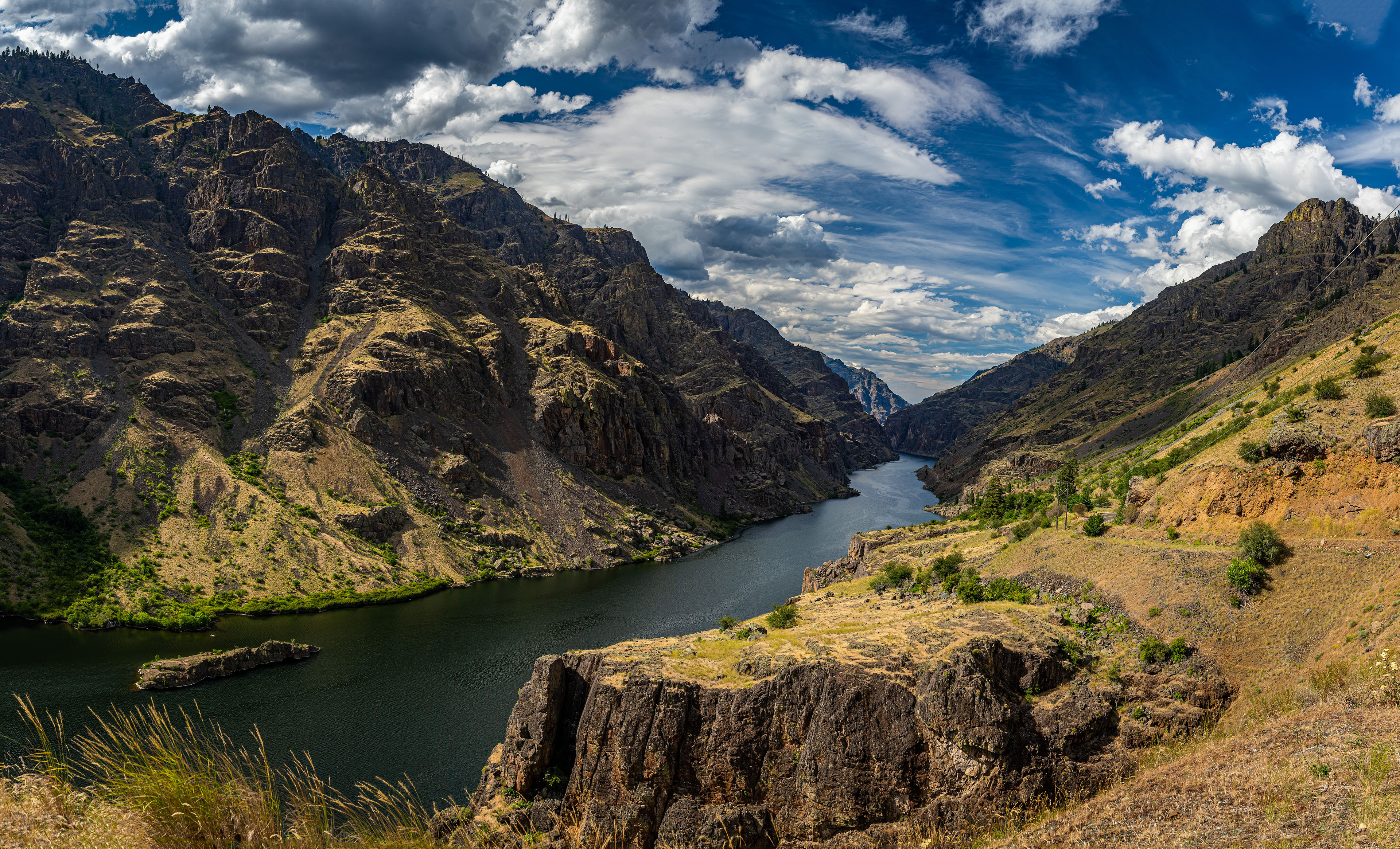
As part of the Federal Energy Regulatory Commission (FERC) relicensing of the Hells Canyon Project, staff have released a Supplemental Environmental Impact Statement, detailing the measures that FERC will include in the final license, to be issued in the next year. That license directly affects river flows and recreational navigation on the Snake River downstream of Hells Canyon Dam for the next 50 years. Because of the value of Hells Canyon as a recreational and economic resource to Idaho, and the long term commitments of the license, it is imperative that the whitewater community, outfitters and guides, and other recreational users of Hells Canyon make their voices heard in the process.
This post summarizes the key findings of FERC’s proposed license as detailed in the 2026 Supplemental Environmental Impact Statement and explains what they mean on the water to outfitters and guides, and recreational users.
Our Ask: Submit a comment to FERC asking them to establish minimum flows of 8500 during the busy summer season to ensure navigational safety and emergency response for jet boats and other watercraft.
Comment Template for Rafting Outfitters and Guides
Comment Template for Jet Boat Outfitters and Drivers
The Bottom Line
FERC staff propose retaining the existing minimum flow of 6,500 cubic feet per second (cfs) below Hells Canyon Dam. This decision rejects requests from the U.S. Army Corps of Engineers, the US Forest Service, and commercial jet boat operators to increase the minimum to 8,500 cfs, citing an estimated $12.5 million per year in lost profits and reduced peaking capacity for Idaho Power. It's worth noting that increasing the minimum flows has no effect on the amount of water flowing downstream, it simply modifies when that water is released.
For outfitters—especially jet boat operators—this means that late-summer navigation challenges will continue. Rather than increasing flows, FERC proposes mitigating safety and access concerns through a new Navigation Plan, real-time flow information, and the possibility of “pulse flows”.
At-a-Glance Summary of Impacts by User Group
|
Issue / Feature |
Impact on Commercial Jet Boats & Private Jet Boat Operators |
Impact on Commercial & Private Rafters |
|
6,500 cfs Minimum Flow |
High impact. Requires light-loading or smaller vessels in late summer; increased risk of hull strikes at low flows. |
Low impact. Rapids remain navigable but more technical at lower flows. |
|
Ramping / Daily Flow Fluctuations |
Moderate. Requires vigilance at lunch stops and during mooring. |
High. Risk of overnight stranding or gear loss due to “tide” effects. |
|
Pulse Flows (Proposed) |
Limited benefit. Difficult to schedule and effects on navigability diminish as water moves further downstream. |
Minimal impact. Primarily benefits heavy powerboats. |
|
Real-Time Flow Alerts & Gauges |
Positive. Improves safety and trip planning. |
Positive. Helps avoid stranding and unsafe conditions. |
Proposed Flow Regimes: What’s Changing (and What Isn’t)
Minimum Flow Requirements
The most critical issue for navigation is whether flows are sufficient to safely pass major rapids like Wild Sheep and Granite. Historically, Hells Canyon Dam was operated to provide a minimum downstream flow of 8,500 cfs at Johnson Bar during the peak summer season, following an off-license agreement between Idaho Power, the Army Corps of Engineers, jet boat operators, and other stakeholders. However, due to changes in the electricity market, Idaho Power has requested to be allowed to reduce minimum flows during the day, as low as 5,000 cfs. At the same time, the Army Corps of Engineers and Forest Service requested that the 8,500 cfs minimum requirement be incorporated into the license, to ensure safe navigation for jet boats and recreational users. Commercial jet boat operators and the Corps argued that 6,500 cfs is inadequate for large (40+ foot), fully loaded commercial vessels. However, FERC staff concluded that raising the minimum would impose unacceptable power system costs and retained the existing baseline at the expense of the safety and enjoyment of recreational users.
Impacts on Outfitters
Commercial Jet Boats
Commercial powerboaters account for the majority of river use, with more than 33,000 visitors in 2025, according to the US Forest Service.
-
Safety and Load Limits: Large commercial jet boats typically require around 8,500 cfs for safe downstream travel when fully loaded. Below 7,500 cfs, accident rates historically increase, according to analysis by the Army Corps of Engineers.
-
Operational Tradeoffs: Operators may be forced to decrease the weight their boats carry, use smaller vessels, or even cancel trips during late summer and early fall, with direct economic consequences.
-
Pulse Flows: Short-term flow increases may assist passage but are difficult to coordinate and lose effectiveness downstream.
Commercial Rafters
-
Emergency Response: For float trips, both commercial and private, jet boats are a critical tool for emergency response and evacuation. Often, the easiest way for an injured or ill party to get transportation to EMS is a ride on a jet boat. Reducing access for jet boats, especially in the part of the canyon with the most technical, challenging, and dangerous whitewater, will reduce safety.
-
Navigability: Key rapids are generally passable at the proposed minimum, though technical difficulty increases.
-
Camping Risks: Daily flow fluctuations can strand boats or sweep unsecured gear away overnight.
Ramping Rates and River Fluctuations
Despite hourly limits on river stage changes, daily fluctuations of up to 10,000 cfs can occur during summer months, creating pronounced “tide” effects that affect both powerboats and float trips. These changes are some of the most dramatic in the country, degrade riverside campsites, leave endangered anadromous fish stranded, and can even increase the likelihood of whitewater accidents when rapids change drastically without notice.
Mitigation: The Navigation Plan & Physical Improvements
FERC proposes a Navigation Plan emphasizing safety through information and infrastructure rather than higher baseline flows. Key elements include real-time flow alerts, expanded gauging, sandbar restoration, and ramp extensions to maintain access during low-water conditions.
Key elements of the proposed Navigation Plan include:
1. Real-Time Flow Information: To help boaters make informed "go/no-go" decisions, Idaho Power must develop a text messaging system that sends current hourly discharge rates from Hells Canyon Dam to subscribers. Additionally, the plan evaluates installing more stream flow gages in important tributaries to provide boaters with a more accurate picture of total river flow (dam release plus tributary inflow).
2. Evaluation of "Pulse Flows": The plan requires Idaho Power to evaluate the use of pulse flows—timed releases of higher water volumes—to help boaters navigate difficult rapids during the peak boating season. These pulses aim to temporarily cover obstacles in technical sections, though their effectiveness diminishes as the water travels downstream and the "wave" flattens out.
3. Safety Education: The plan includes provisions for disseminating boater safety information and details on training opportunities to help recreational users navigate the canyon's challenging conditions more safely.
While we are encouraged to see that FERC is considering the need for navigational safety in Hells Canyon, these measures are not a substitute for the safest minimum flows of 8500 cfs that has been repeatedly identified by the Army Corps of Engineers as necessary to reduce the likelihood of accidents on the river.
Our Ask: Submit a comment to FERC asking them to establish minimum flows of 8500 during the busy summer season to ensure navigational safety and emergency response for jet boats and other watercraft.
Comment Template for Rafting Outfitters and Guides
Comment Template for Jet Boat Outfitters and Drivers