
What We Learned About Health Insurance Access for Idaho’s Outfitters and Guides
Jack and Erik break down the results of the survey.
Summary in Brief:
Health insurance isn’t just a personal issue for Idaho’s guides and outfitters — it’s a business one. The rising cost of health insurance coverage threatens the stability of small operations, seasonal workers, and the rural hospitals that serve them. Over the last few weeks, the team here at IOGA surveyed more than 80 outfitters, guides, and small business owners across Idaho about healthcare access. The results are informative – nearly 1 in 5 are uninsured—more than double the state average—and most rely on Affordable Care Act (ACA) marketplace coverage supported by the Advanced Premium Tax Credit (APTC). Without those credits, costs would spike and coverage would collapse: half of respondents said they’d drop insurance if premiums rose just 20%.
Affordable coverage isn’t just a personal issue—it’s a foundation of the rural economy. When outfitters and guides lose coverage, clinics lose patients, and small towns lose income. Extending the APTC beyond 2025 would help keep Idaho’s recreation economy stable and insured. If the credits expire in 2026, average premiums in the ACA Marketplace are set to rise 75%, according to Pat Kelly, Executive Director of Your Health Idaho.
IOGA is actively meeting with Idaho’s Congressional delegation to share these results and push for policies that protect access to affordable, reliable healthcare for our state’s outfitters, guides, and rural communities.
Who We Heard From
From Lemhi to Valley County and from ages 18 to 65, guides and outfitters shared their experiences navigating healthcare. The survey ran from October 8–20, 2025, and included 84 respondents, all active in Idaho’s outfitting and guiding industry.
What We Found
The outfitting and guiding industry is disproportionately uninsured. 1 in 5 respondents (20%) reported being uninsured—more than twice the statewide average of 8.9%. The Affordable Care Act exchanges – aka yourhealthidaho.org – is doing the heavy lifting. 41% of respondents buy insurance through the ACA exchange, and most of that group (72%) qualify for the Advanced Premium Tax Credit (APTC)—a federal subsidy that lowers monthly premium costs.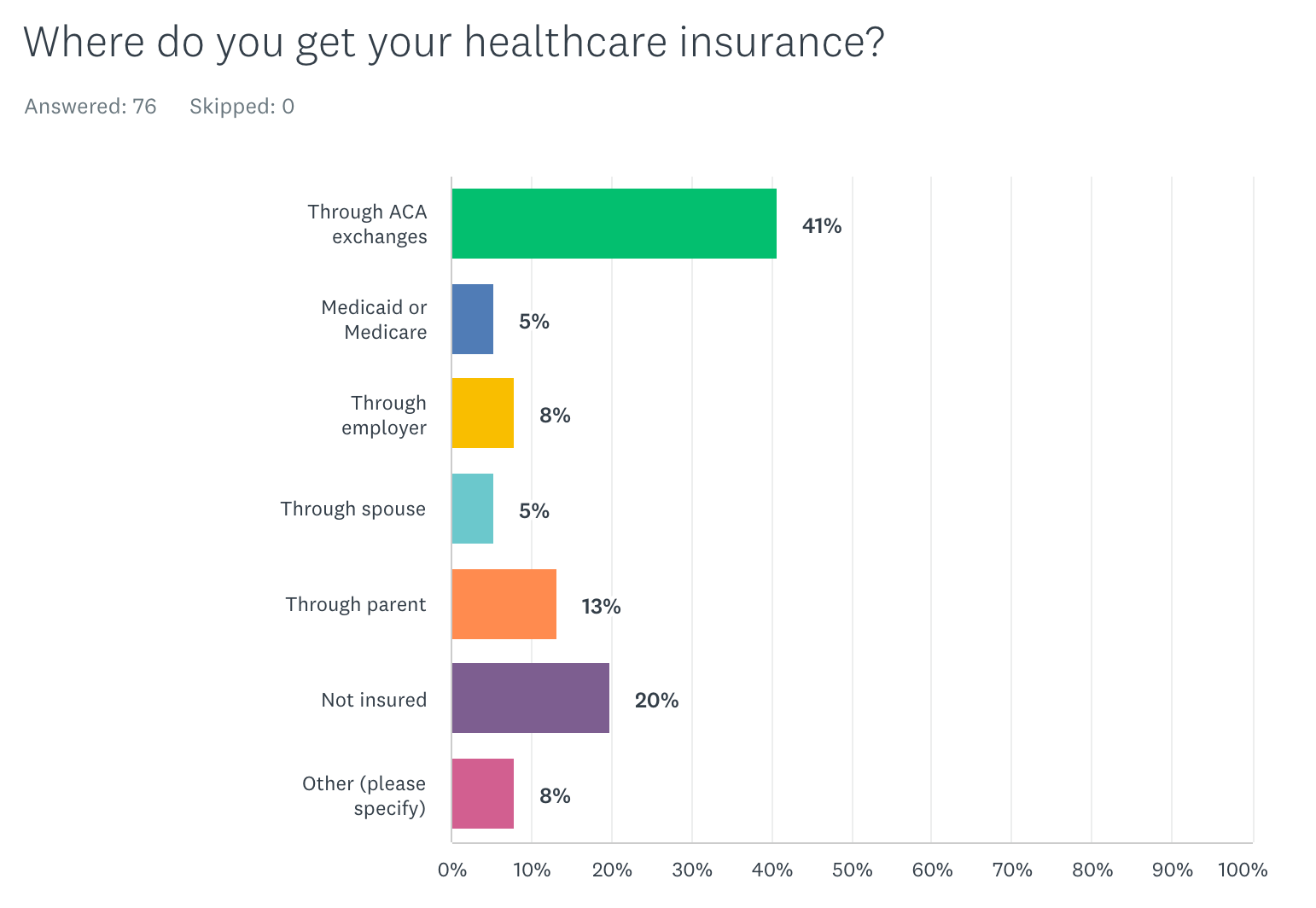
For all respondents, affordability of coverage and care remain the biggest challenge. Even among those with insurance, 62% said cost was their main barrier. High deductibles and unpredictable seasonal income keep many from seeking care when they need it. On average, respondents were spending around $575 per month.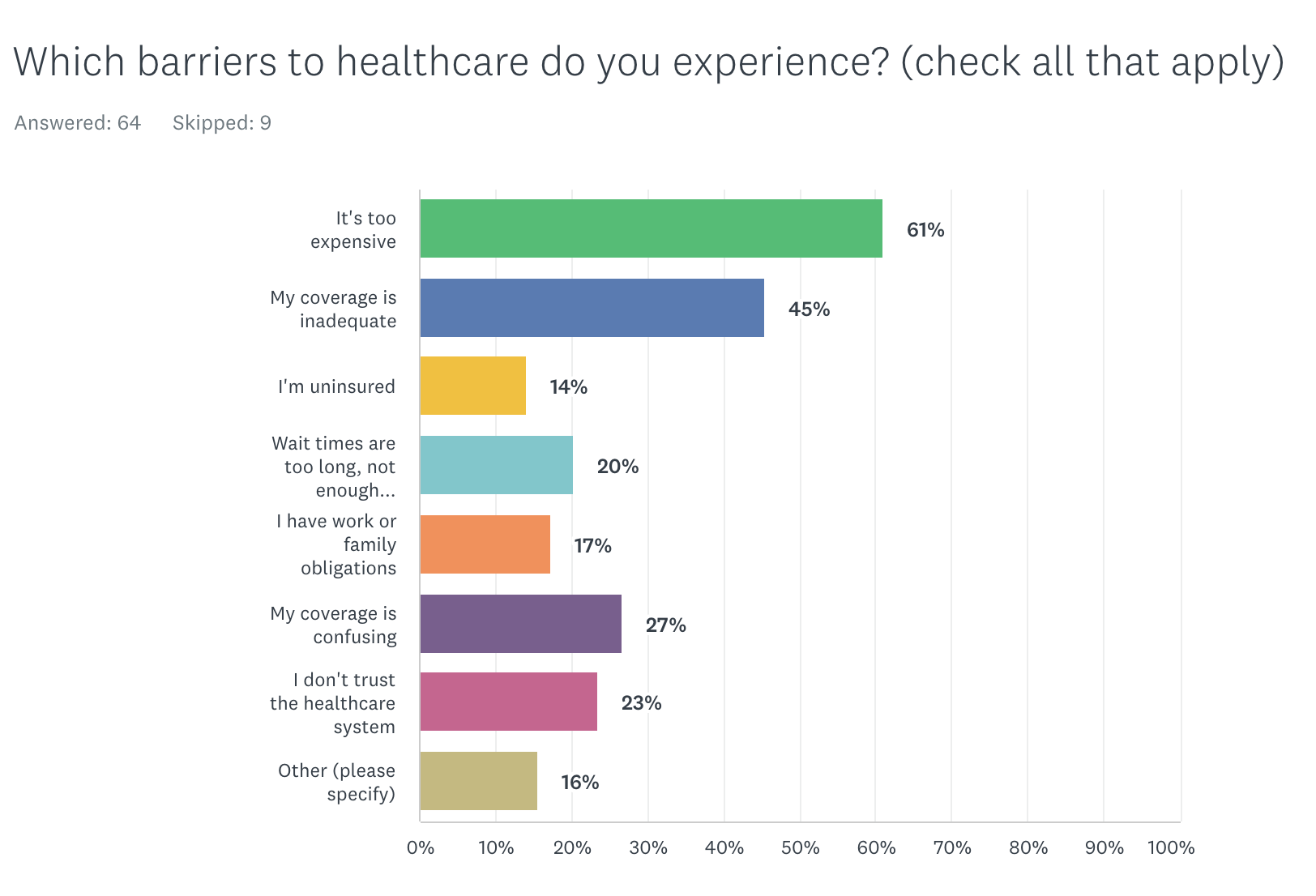
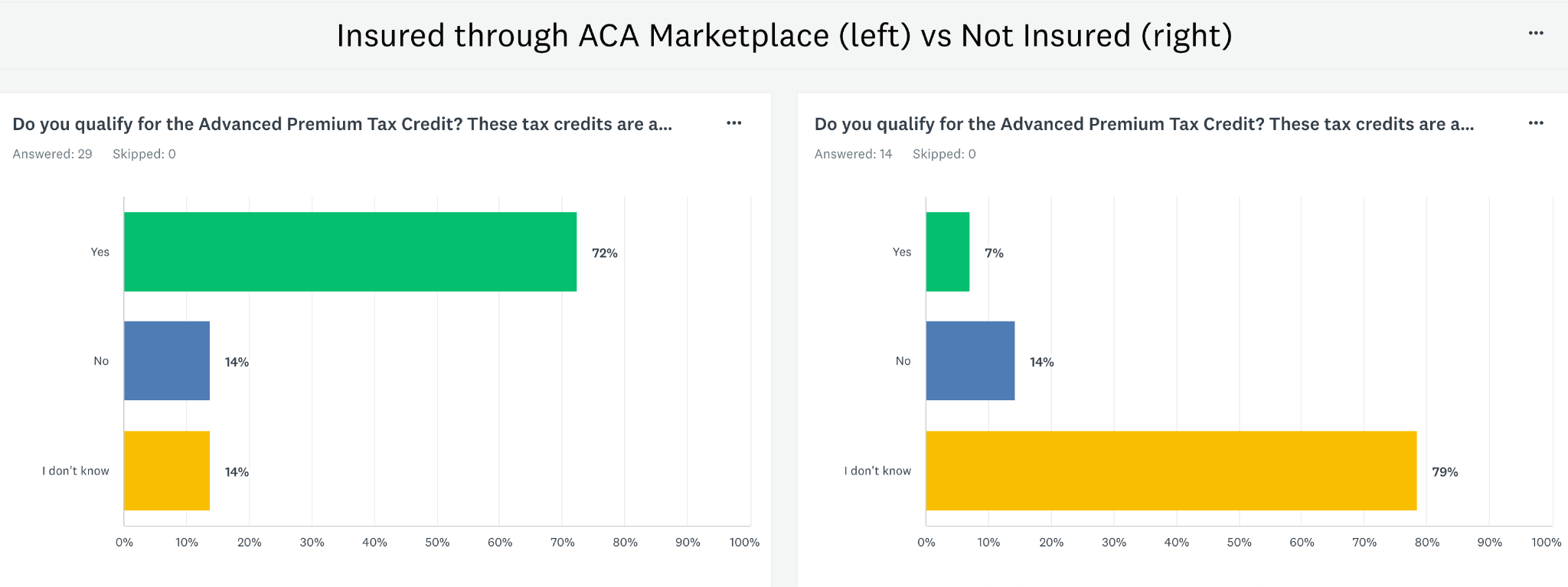
At the same time, many guides and outfitters don’t know about available help. 79% of uninsured respondents didn’t know they might qualify for federal support in paying their monthly premium. This implies that many uninsured outfitters and guides could obtain affordable health insurance coverage by taking advantage of the Advanced Premium Tax Credit.
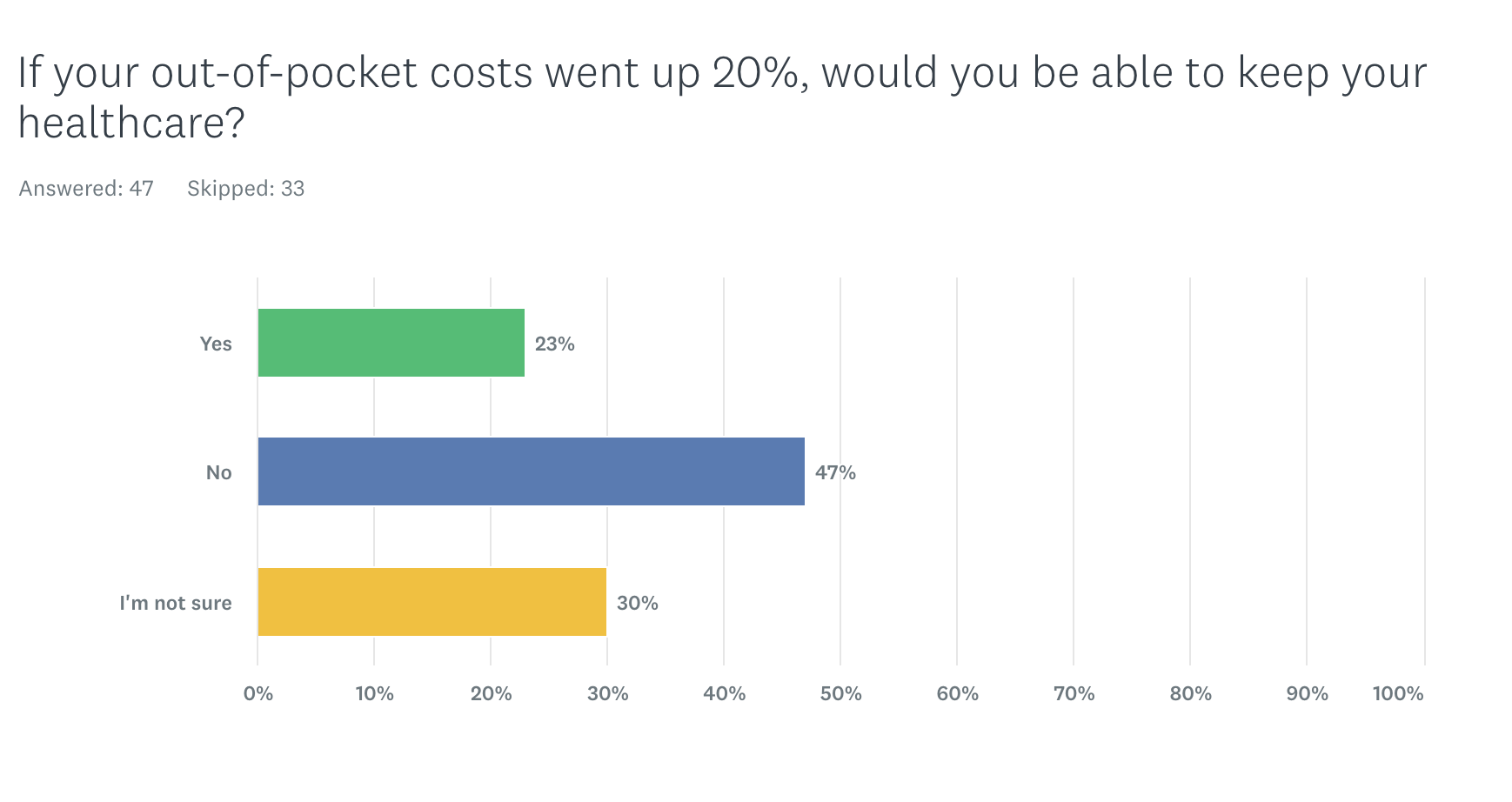
 Rising health insurance costs will hit hard. Half of respondents (51%) said they’d likely drop their coverage if premiums rose just 20%. According to Pat Kelly, executive director of Your Health Idaho, average premiums for Idahoans insured through the ACA Exchange are set to rise 75% over last year without an extension of the APTC. That would be devastating for both individuals and the rural clinics that depend on consistent, insured patient visits.
 Why This Matters
Rural healthcare stability
When people lose or downgrade their coverage, they delay care until it becomes an emergency. That pushes costs onto already-strained rural hospitals and clinics, which are required to treat emergency visits regardless of ability to pay. Improving access to health insurance helps more than just the individual seeking care – it helps the whole system remain solven
Small business survival
Outfitters are small business owners first. Many already carry high-deductible plans just to stay insured. Losing premium support would force impossible choices between health insurance and keeping their business running.
As one respondent told us:
“To maintain affordable premiums, we’ve had to choose high-deductible plans. Any non-essential care is out-of-pocket.”
Workforce safety and continuity
Guiding is physical work. Injuries happen. While worker’s compensation covers workplace accidents, without affordable coverage, injuries or illness can sideline a skilled guide or put a business in jeopardy. Ensuring access to health insurance is about workforce stability as much as personal well-being.
Where We Go From Here
This survey reinforces what we’ve heard from members for years:
Health insurance is essential for people who make a living using their bodies. Our data shows that most outfitters and guides depend on the Advanced Premium Tax Credit to keep coverage within reach. We’re open to any approach that works, but right now, extending the Advanced Premium Tax Credit is the most actionable step we currently see as realistic to ensure our members can stay insured and stay in business.