
Member News
-
Inside the ESA “Harm” Rule: How US Fish and Wildlife is Changing the Definition of "Take"
In July, when the U.S. Fish and Wildlife Service and NOAA Fisheries finalized a rule deleting the regulatory definition of “harm” from the Endangered Species Act, we walked through what it would mean for Idaho outfitters. The rule removed habitat destruction from what counts as illegally taking a listed species. Federal consultation and critical habitat stayed in place. The rule took effect on September 14th with a narrower reading of “take” but didn’t say how agency staff should apply it. Now, thanks to reporting by The Hill and others, we have an inside look at how "take" will be defin...
-

New Travel Management Rule - Simplified
The Forest Service wants to rewrite the rules governing motorized access on National Forest land. We broke down what's proposed — the opportunities, the concerns, and why your input matters before the comment window closes.
-
Roadless Rule rescission: where it matters—and where it doesn’t—for Idaho
Originally published September 2, 2025. Updated August 19, 2026 to reflect the Forest Service's proposed rule and draft environmental impact statement. What's happening (in brief) On August 18, 2026, the Forest Service filed a proposed rule to rescind the 2001 Roadless Area Conservation Rule in its entirety, along with a draft environmental impact statement. Both are publishing in the Federal Register this week, opening a 30-day comment period that closes at midnight on September 21, 2026. Comments go through Regulations.gov, and the Forest Service is posting supporting material on its Roadles...
-
The Salmon-less River: We Were Promised Fish. We Got a System That Cannot Deliver.
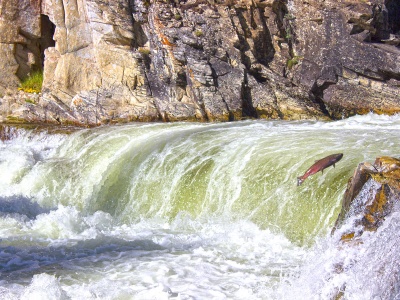
I've spent the last seven years rowing boats on the Salmon River, from the headwaters of the Middle Fork down to the confluence with the Snake. Idaho holds the highest, coldest, most intact salmon habitat left in the lower 48. What we don't have, in most of it, is salmon. That's not just heartbreaking to watch. For a lot of Idahoans, it's putting their living at stake. The outfitters and guides who run anadromous fishing trips in this state depend on hatchery returns to put clients on fish. When adults come back in numbers, there's a season, there's harvest, and there's a business. When they d...
-
Federal Grizzly Rule Reopens for Comment: What Idaho Outfitters Should Know
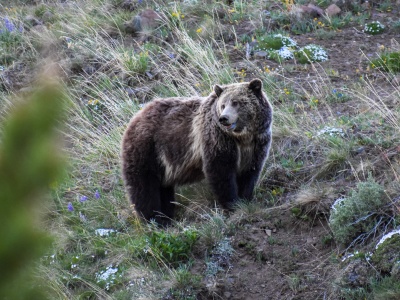
The U.S. Fish and Wildlife Service has reopened public comment on how grizzly bears would be managed under the Endangered Species Act in the lower 48 states. Their proposal would create a pathway for transferring some management of grizzlies to the states and tribes. Comments are due August 17, 2026, under docket number FWS–R6–ES–2024–0186. Image Credit: US Fish and Wildlife Service What's actually on the table In January 2025, the Service proposed two things at once: a redrawn distinct population segment (DPS) for grizzly bears in the lower 48, and revised protective regulations under Sectio...
-
New Federal Rule allows economic impact to be a bigger consideration in ESA habitat designation.
On July 21, 2026, the U.S. Fish and Wildlife Service (FWS) published a final rule that rewrites the process it uses to decide when to exclude land from Endangered Species Act (ESA) critical habitat designations by incorporating evidence from stakeholders in a more explicit way. For outfitters and guides who operate on public land often under Forest Service or BLM permits, this is a rule worth having on your radar, even though it doesn't change your operations right now.
-
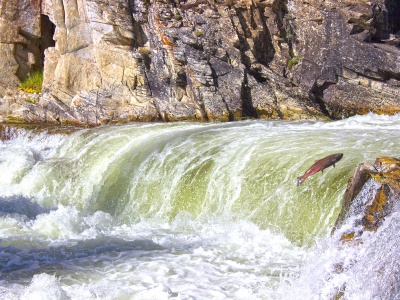
Feds Narrow the Definition of "Take" Under the Endangered Species Act
The U.S. Fish and Wildlife Service and NOAA Fisheries have finalized a rule rescinding the 50-year-old regulatory definition of "harm" under the Endangered Species Act, effective September 14, 2026. Previously, "harm" covered habitat modification that indirectly injured wildlife. Now, take liability applies only to direct, intentional acts against a specific animal. For outfitters: your permit's section 7 consultation requirements are unchanged, and existing permits aren't reopened. But routine field work — trail maintenance, camp upkeep, chainsaw or vegetation work near sensitive habitat — now carries lower section 9 liability exposure on its own. Litigation is likely before the effective date, so treat this as the current floor, not a settled outcome.
-
What USFS's Handbook Rule Means for Outfitters and Guides
USFS has proposed making Forest Service Handbooks advisory rather than binding — a change that could let permit administrators deviate from fee, renewal, and operational standards without explanation, and IOGA is pushing back before the July 31 comment deadline.
-
New Lawsuit challenge the legal validity of RMP's
A new lawsuit in Oregon arguing a resource management plan is invalid now that congress has declared RMP's are subject to the congressional review act has placed the entire legal framework underpinning the system of permits outfitters operate under in jeopardy.
-
This Loophole To Selling Public Lands Is Still Open. A New Bill Closes It.
Almost one year ago, a provision in the One Big Beautiful Bill would have authorized the sale of 2 to 3 million acres of federal public land with a simple majority, no hearings, no public input. Fortunately, Idaho’s Senator Risch, Senator Crapo, and Congressman Simpson were among those who pushed back, and their opposition killed that part of the bill. However, the procedural gap that made it possible is still there, and as Congress moves ahead with another reconciliation bill, concerns have resurfaced about the reconciliation process allowing for public lands sales to fund partisan priorities...
-
What the Forest Service Reorganization Means for Idaho Outfitters and Guides
What the Forest Service Reorganization Means for Idaho Outfitters and Guides April 2026 The U.S. Forest Service is undergoing its most significant structural overhaul in decades, and if you operate on National Forest lands in Idaho, you have a stake in how this plays out. IOGA has been tracking the reorganization closely and wants to give members a clear-eyed summary of what's changing, what's uncertain, and what it could mean for your operation. To read the press release from the Forest Service, click here. What's Actually Changing The Forest Service ...
-
What the Hells Canyon Relicensing Means for Outfitters, Guides, and River Users
As part of the Federal Energy Regulatory Commission (FERC) relicensing of the Hells Canyon Project, staff have released a Supplemental Environmental Impact Statement, detailing the measures that FERC will include in the final license, to be issued in the next year. That license directly affects river flows and recreational navigation on the Snake River downstream of Hells Canyon Dam for the next 50 years. Because of the value of Hells Canyon as a recreational and economic resource to Idaho, and the long term commitments of the license, it is imperative that the whitewater community, outfitter...